
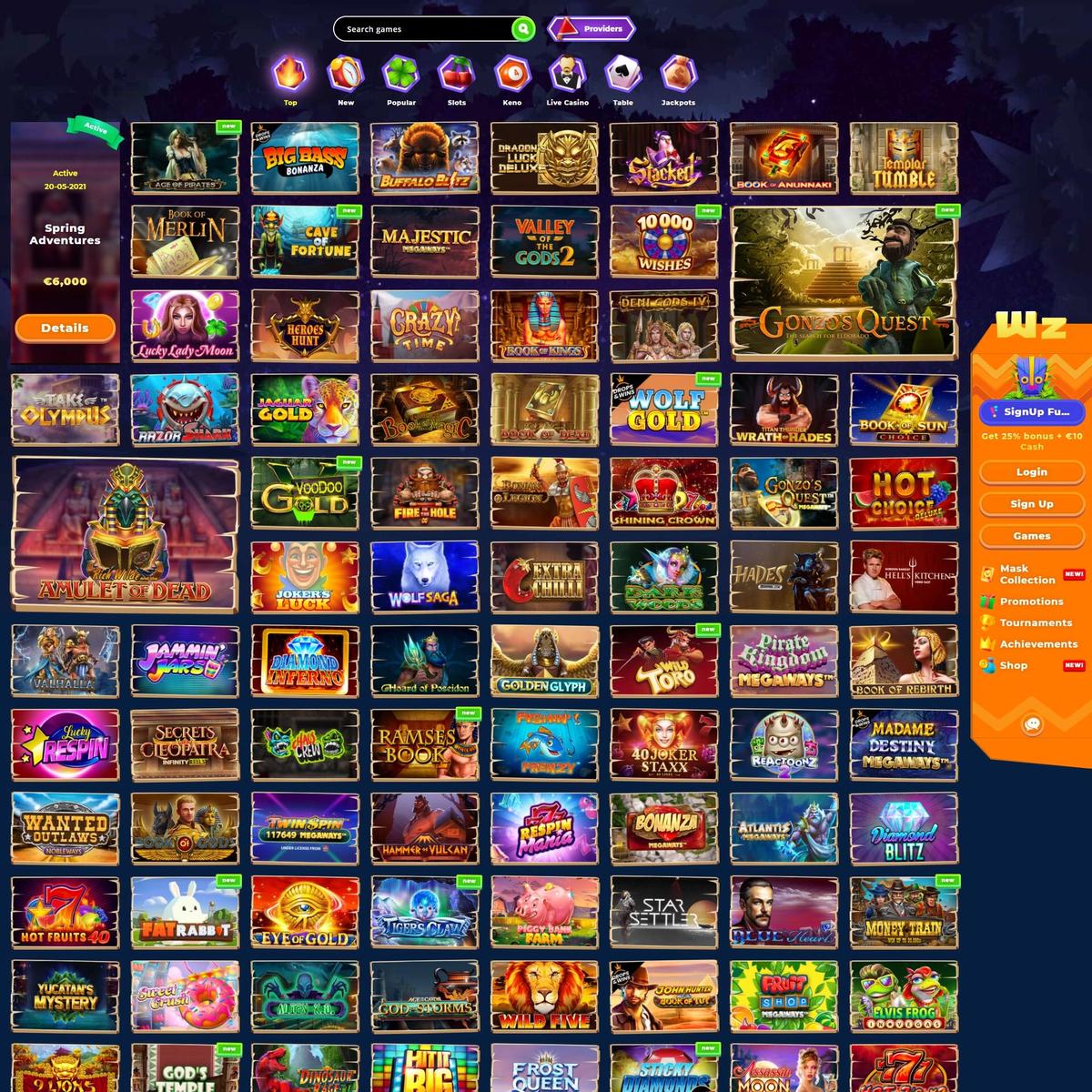
I recollect when juggling multiple gambling platforms meant memorizing a maze of different settings, limits, and notification toggles. It drained the fun right out of the experience. That’s exactly why I’m truly excited to walk you through what we’ve built with the new Preferences Central at casino bol. We looked at the fragmented way players manage their accounts across the international iGaming scene and opted to tear up the old blueprint. Instead of burying essential controls three menus deep, we’ve engineered a unified dashboard that puts you in absolute command. Every responsible gaming tool, every communication preference, and every payment security feature now lives in a single, intelligent hub. This isn’t just a cosmetic update; it’s a philosophical shift toward real transparency and respect for your time. I feel a platform should adapt to your life, not the other way around, and this hub finally provides on that promise with genuine elegance.
Data Sovereignty and Information Control Controls
In an era where data traces are as valuable as currency, I did not take your digital anonymity casually. The Privacy Command section of the hub offers a layered visibility matrix, a concept I borrowed from secure enterprise systems. You can show full presence while playing in a group tournament, letting others see your avatar and achievements, yet melt into total obscurity during individual sessions. This „Ghost Mode” applies beyond the chatroom; it conceals your participation from internal leaderboards if you so decide. I aim the social fabric to be an invitation, not a spotlight you can’t escape. The data-sweep tool is a potent ally. With a single click, you create a precise summary of every scrap of information Bol Casino keeps, formatted in readable language, making GDPR-style requests as casual as checking the weather.
Cookie and tracker management often require a labyrinth of third-party pop-ups that feel suspiciously difficult to navigate. I removed that nightmare by importing authenticated consent management directly into Preferences Central. You can rescind a specific marketing tracker while preserving the essential live-chat functionality running without any conflict. This granularity is vital. I’ve also added an offline footprint mode: when you turn on it, the platform suspends non-essential server-side profiling. Your session still flows at high speed, but the system temporarily stops learning your behavioral patterns for extrapolation purposes. Think of it as a silence button for algorithms. We’re giving you the control for the hidden machinery, ensuring that your profile on Bol Casino is yours to manage and never a silent observer’s dossier.
Shaping the Sensory Experience: Colors, Sounds, and Speed
Gambling platforms often overlook the sensory weight of their environment, but I’m a firm believer that the visual rhythm of a site shapes decision-making. In the hub’s Theater Mode section, you can switch between a high-contrast sport-viewing palette and the muted elegance of the late-night coffee-house theme. I curated these palettes to reduce eye strain during extended sessions without stripping away the glamour that makes the lobby exciting. Audio is just as critical; you can mix your own soundscape by isolating ambient background hums from sharp notification chimes. If a big jackpot drops, you want to hear it. If a chat message arrives while you’re deep in a live hand, maybe you don’t. The soundboard matrix is a feature I supported, ensuring that Bol Casino never screams at you. It interacts with a polite sophistication that matches the mood you’ve set.
Animation speed turned out to be one of the most requested hidden controls in our beta feedback. Not everyone loves a dramatic card reveal lasting two seconds; some want the snap-crackle-pop of instant results. The rendering throttle inside Preferences Central lets you adjust the fluidity of motion across the game lobby. I find that a faster animation cadence often brings a heightened sense of direct control, especially in rapid-fire table games. Conversely, slowing things down can inject a needed sense of ceremony when you’re unwinding. This isn’t just a gimmick; it’s a bandwidth-allocation tool as well. Mobile players looking to preserve battery life will notice that switching to the „efficiency” animation profile sharply drops resource consumption. We’ve essentially put the director’s cut of the casino in your hands, allowing the software to function according to your hardware and emotional preference.
Why a Unified Settings Hub Matters More Than You Think
Across the years I’ve observed countless players leave perfectly good platforms simply as the interface came across as unfriendly. Whenever you need to establish a deposit limit rapidly before dinner but you have to click through five ambiguous tabs, that friction represents a design flaw. Our Preferences Central eliminates that friction completely. We have unified account security, financial boundaries, and session preferences into a single pane of glass. This is not only about saving clicks; it’s about mental simplicity. When all your controls sit in one intuitive location you are much more inclined to use tools that preserve your bankroll and your well-being. I created this hub to feel less like a bureaucratic form and more like the cockpit of a luxury vehicle where all controls are precisely where your fingers anticipate them. The result is a sharp reduction in setup time for newcomers and a sigh of relief for seasoned high rollers.
I also aimed to tackle what I call “notification exhaustion.” In the past, you’d configure an email threshold in one corner, only to be bombarded by SMS pushes from another service you were unable to locate and deactivate. Now, the hub analyzes your cross-channel activity to prevent conflicting commands. When you declare a break through the reality check timer the system intelligently silences promotional messages without you needing to write a separate rule. This cross-system reasoning is something I have championed for ages. True preference management is not a fixed set of switches; it is an active, adaptive framework that comprehends context. Via unifying these indicators Bol Casino makes certain that a decision you make in one area respectfully echoes across the entire entertainment experience leaving zero room for irritating contradictions.
Superior Payment Settings and Balance Visualization
Bankroll management serves as the foundation of any true gaming pleasure. I rebuilt the payment command center to act less like an ATM and more like a financial assistant. As opposed to clumsily navigating between withdrawal methods, you can now build a priority cascade. When you initiate a payout, the hub smartly routes funds based on your rules: perhaps the first thousand is sent to an e-wallet for speed, and the surplus goes to a bank account for savings. You set up this waterfall once, and it runs silently in the background. I’ve also included a real-time fee estimator. Before you confirm a transfer, the interface calculates any network or procedural charges and displays it transparently, guaranteeing you never face an unexpected deduction. This level of honesty in transaction processing has been lacking from our industry for far too long.
The display tool is something I’m particularly proud of. I built it to convert cold numbers into a thermal map of your entertainment spending. Instead of fixed balance updates, you observe a color-shifting ring that grows or shrinks based on the ratio of funds set aside for responsible play. It’s an conceptual, stunning way to maintain awareness without watching stark ledgers. You can also mark transactions with symbols. I use a little flame icon for tournament buy-ins and a star for casual live dealer fun; these tags populate a pie chart that reveals exactly where your thrill lies. This review isn’t there to induce guilt but to highlight patterns. If you notice through the visualization that slots are dominating your time when you actually like the skill of poker, you can change your lobby shortcuts within the same hub.
Incorporating Device-Agnostic Continuity for the International Player
I know you’re constantly traveling; you may begin a session on a tablet in a lodging lobby and finish it on a desktop at home. Preferences Central syncs so quickly that your custom chair positions (metaphorically speaking) appear before you do. The „Roaming Profile” feature secures your hub configuration and pushes it instantly via a lightweight token, not a bulky cloud snapshot, so there’s no lag. Your audio settings for cards, the visual tone of your background, and even the particular balance warning level all materialize correctly when you change devices. I mandated that every element be device-independent anymore; the personalization belongs en.wikipedia.org to the account, not the device you’re using. This means that a reality warning set on your phone will flash on your laptop at the same precise countdown, maintaining a singular, protective continuity.
For individuals traveling across time zones, the hub tailors deadline logic for bonus spins or tournament registration windows. There is no mental math required; the interface displays „closes in 4 hours” based on the device’s clock. I also added a calendar syncing tool. By linking a read-only access of your calendar, the hub can clearly propose provisional silent intervals if it identifies a busy period of meetings, yet I engineered this to be completely optional and unobtrusive. The worldwide perspective also demanded a language versatility I’m thrilled to unveil. You can set the interface language for the hub apart from the marketing emails or the in-game live dealer chat, creating a polyglot setup that reflects your own linguistic comfort zones perfectly.
Building a Safe Gaming Dashboard That You Will Really Use
I have a deep-seated dissatisfaction with platforms that handle safety tools like legal fine print. At Preferences Central, we’ve dismantled that outdated approach and reconstructed responsible gaming as a luxury feature. The cool-down activator is a prime example. You can schedule a temporary freeze that starts at the end of the big game on Saturday, not just an immediate lockout that catches you off guard. I incorporated a soft landing reality check that superimposes a translucent, non-jarring reminder of your session duration. It doesn’t punish; it gently guides, keeping the vibe casual yet attentive. I desire you to see these modules as a co-pilot that amplifies the thrill by eliminating the anxiety of overstepping. By showing your activity as a simple, easy-to-digest trend line rather than a spreadsheet of regrets, the dashboard transforms awareness into a habit.

To boost engagement with these features without being preachy, I implemented a subtle gamification layer. This isn’t about points or leaderboards. That would be tone-deaf. Instead, fulfilling your safety profile earning list produces a streamlined, unbroken aesthetic, visually conveying peace of mind. The hub also features a direct, frictionless link to external professional support that forwards your anonymous user ID for faster help, but only if you deliberately flip that switch. I’ve ensured zero external data leaks. The core function remains firmly in your hands: self-exclusion has been redesigned as a one-click hard halt, but with a clear, mandatory cooling period before reversal, which I’ve set up to prevent impulsive returns. This is safety built with compassion, not a mechanical checkbox exercise.
Understanding the Core Modules of Preferences Central
Let’s take a closer look and review the architectural anatomy of this hub. I structured the interface into three primary pillars: Play Boundaries, Communication Flow, and Security Envelope. The Play Boundaries pillar is where you define your financial reality. Here, deposit limits, loss caps, and single-wager ceilings aren’t concealed behind a „responsible gaming” euphemism; they’re presented as standard configuration tools, which I believe helps destigmatize their use. The Communication Flow segment is equally well-built, offering granular sorting that lets you subscribe only to live tournament alerts while skipping general newsletters. Finally, the Security Envelope unifies two-factor authentication, device management, and login history into a coherent narrative. Instead of feeling like a chore, auditing your active sessions becomes a swift, almost satisfying swipe-and-verify routine that I’ve personally optimized to take under thirty seconds.
What makes the physical navigation exceptional is the sticky sidebar that keeps your scroll position. If you’re hopping between setting a time-out period and tweaking a biometric login, you don’t forget your place. I thought carefully over the color logic as well, using a soft amber pulse to indicate an inactive safety feature rather than an alarming red, which can seem judgmental. My goal was to educate, never to embarrass. We’ve also killed the „save” button in many micro-zones. When you slide your weekly wagering threshold from one figure to another, that choice saves instantly with a silent, encrypted commit. It’s these tiny UX micro-victories that differentiate a frustrating form from a premium, fluid cockpit. The hub uses a visual language that is distinctly Bol Casino: crisp, airy, and mercifully free of clutter.
Proactive Alerts combined with the Next Frontier of Smart Automation
I built Preferences Central not merely for static settings, but to operate as a predictive sidekick. The smart alert logic utilizes transient on-device inference to suggest adjustments before a limiting factor kicks in. For instance, if the system detects that you are repeatedly hitting your loss limit with high speed, a gentle prompt emerges within the hub, not an accusatory pop-up, requesting if you’d like to explore session time-shortening. It’s entirely proactive without being preachy. We’ve also deployed a „peak performance” auto-tuner for connectivity. This tool analyzes your Wi-Fi stability and automatically modifies the stream fidelity of live dealer feeds to prevent buffering during a live bet. I acknowledge it sounds like magic, but it’s a matter of combining preference data with real-time network diagnostics, relieving you the agony of a frozen screen at the worst possible moment.
Looking forward, the automation engine is being prepped to understand your game-specific preferences and set up UI layouts on the fly. If you trend toward roulette on Tuesday evenings, the hub will adapt by silently pre-loading the racetrack view and your preferred chip color macro. This behavior lies idle until you explicitly approve „Adaptive Learning” permission, keeping full autonomy in your court. I’m also toying with mood-based presets: a single toggle that shifts the entire hub from an energetic, high-data visualization state to a minimal, meditative flow for strategic play. The commitment here is unshakable: automation must feel like a silent butler, never a manipulative puppeteer. By combining an international standards engine with deep personalization, we’ve built a living dashboard that grows more attuned to your rhythm every time you visit.